
Backlinks are a fundamental element of search engine optimization (SEO), acting as a crucial signal to search engines that your content is trustworthy and valuable.
When one website links to your page, it’s essentially giving a vote of confidence, which can significantly boost your site’s visibility and authority online. Understanding this concept is the first step toward improving your online presence.
What Is a Backlink in SEO?
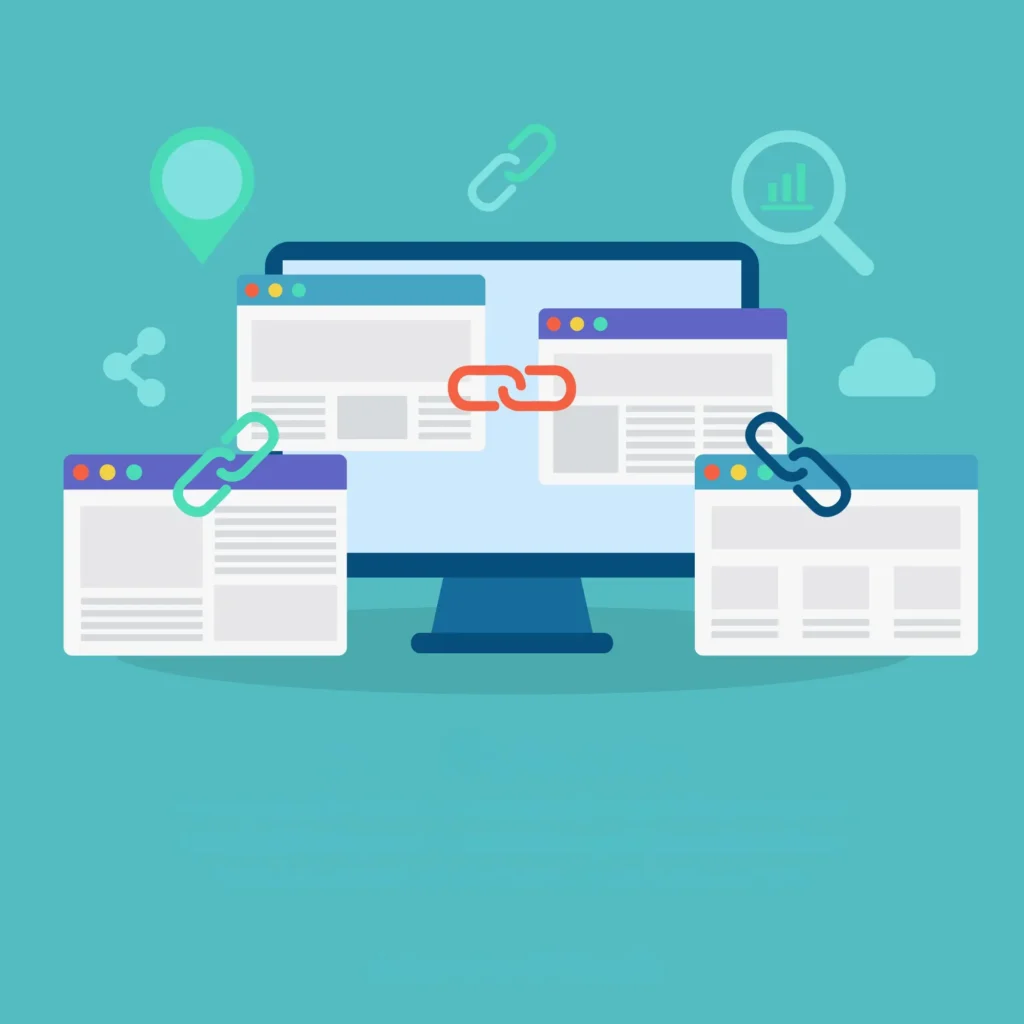
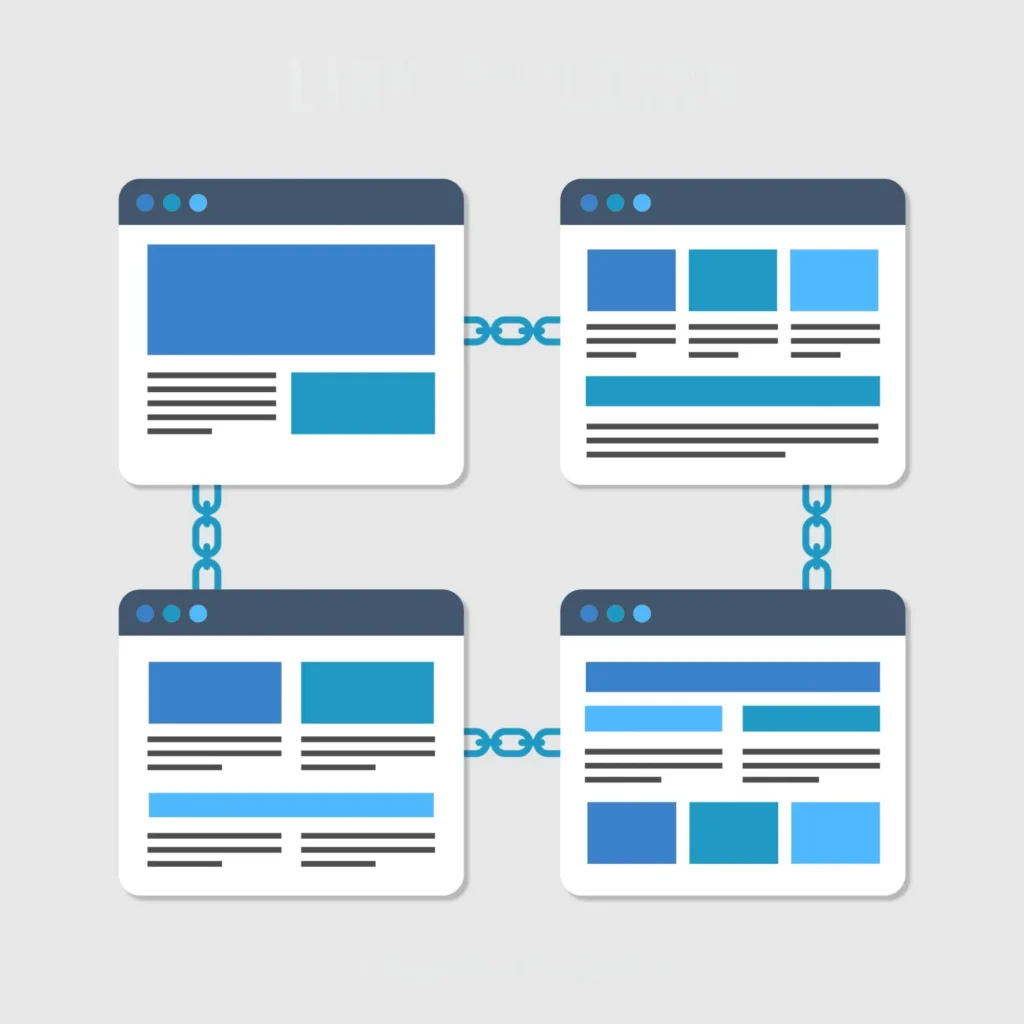
A backlink is simply a link from one website to another. It’s often called an inbound link because it directs users and search engines to your site from an external source.
Imagine you’ve written an insightful article on “Healthy Eating for Athletes,” and a renowned fitness magazine features it as a useful resource, linking directly to your page. That link pointing to your site is a backlink.
Search engines like Google view backlinks as a signal of credibility. When many reliable websites point to your content, it tells Google that your site is a valuable resource, which helps your pages appear higher in search results.
In simple terms, backlinks act like online recommendations. Just as you trust a product more if a friend suggests it, search engines trust your site more if other websites “recommend” it through backlinks.
This process of passing value is known as link equity or link juice, a core concept in SEO. It’s like a digital currency that flows from one site to another, and links from high-authority sites carry more weight.
Why Backlinks Matter in SEO
Understanding what a backlink is is incomplete without knowing why it’s so important. Backlinks are one of the most significant factors that search engines use to rank websites.
They matter because:
- They Act as Votes of Confidence – Backlinks show that others find your content helpful and worth citing. The more quality backlinks you have, the more you’re seen as an authority in your niche.
- They Improve Rankings – A strong backlink profile is directly correlated with higher rankings in search results, giving you a greater chance of appearing on the first page of Google.
- They Bring Referral Traffic – People clicking on a backlink are directed straight to your site. This referral traffic can be highly valuable, as visitors often come from a context related to your content.
- They Help Search Engines Discover Your Content – Search engine crawlers follow backlinks to find new web pages. This makes indexing faster and ensures your content is discovered more quickly.
- They Build Authority and Trust – Earning backlinks from reputable sources significantly increases your website’s perceived authority, a key component of Google’s E-E-A-T (Experience, Expertise, Authoritativeness, and Trustworthiness) guidelines. This is often reflected in metrics like Domain Authority (DA) or Domain Rating (DR), which can rise as you earn more quality links.
Types of Backlinks in SEO
Not all backlinks are created equal. Some are highly valuable, while others may not help at all. Here are the major types of backlinks:
- Do-Follow Backlinks – These are the most powerful backlinks. They pass SEO value (link juice) from the linking site to yours, helping your site rank better.
- No-Follow Backlinks – These links contain a no-follow tag that tells search engines not to pass link juice. While they don’t directly help rankings, they can still bring traffic and make your link profile look natural.
- Editorial Backlinks – These happen naturally when a website links to your content because they find it useful. Editorial backlinks are the most valuable because they show genuine trust.
- Guest Post Backlinks – When you write an article for another website, you usually add a link back to your own site in your author bio or within the content.
- Directory Backlinks – Submitting your website to online directories or business listings creates these backlinks. They are not very powerful but can be useful for local SEO.
- Image Backlinks – If someone uses your infographic or image and credits you with a link, it’s an image backlink.
- Paid or Sponsored Backlinks – Some sites sell backlinks. Google requires these to be marked with “sponsored” or “rel=sponsored” tags. If not done properly, they may harm your site.
How to Build Quality Backlinks
Building backlinks is not just about quantity; it’s about quality. A few backlinks from trusted, relevant websites are far more valuable than hundreds from random sources.
Here are some of the most effective and safe ways to earn them:
- Create Outstanding Content – The foundation of any good backlink strategy is high-quality, valuable content that others will genuinely want to share and link to.
- Guest Posting – Write articles for other reputable websites in your industry. This allows you to place a link back to your site in a relevant context.
- Reach Out for Collaborations – Contact bloggers and website owners to explore partnerships or simply let them know about your useful content that might be a good fit for their audience.
- Be Active in Online Communities – Participate in forums like Quora or Reddit by providing helpful answers. When relevant, you can link to your content as a useful resource.
Advanced Link-Building Strategies
For a more proactive approach, consider these advanced techniques:
- Broken Link Building – Find broken links on other websites in your niche. Contact the site owner, let them know about the broken link, and suggest your relevant content as a replacement. This is a win-win situation as you’re providing a solution to a problem while earning a link.
- The Skyscraper Technique – Find a piece of content in your niche that has many backlinks. Create a better, more comprehensive version of it (e.g., more detail, better visuals, updated data). Then, reach out to all the websites that linked to the original and show them your improved version, asking them to link to you instead.
- Resource Page Link Building – Search for “resource pages” or “helpful links” within your industry. These are pages dedicated to linking to useful articles, tools, and websites. If you have a relevant piece of content, you can reach out to the page owner and suggest they add your link.
Conclusion
Now you have a clear understanding of what a backlink is and why it’s a vital part of digital marketing.
Backlinks are like digital recommendations that improve rankings, bring traffic, and build trust. By focusing on creating great content and building genuine relationships, you can earn backlinks naturally and grow your website’s authority, ensuring its long-term success.